
As the seasons change in Paramus, New Jersey, so do the challenges facing your home's locks and security systems. From the freezing temperatures of winter to the humid summers, each season brings unique conditions that can affect the performance and longevity of your locks, doors, and security hardware. Regular seasonal maintenance isn't just about preventing lockouts—it's about protecting your home, ensuring your family's safety, and avoiding costly emergency repairs. Whether you're dealing with frozen locks in January or sticky mechanisms in August, understanding how to maintain your locks throughout the year can save you time, money, and frustration.
Why Seasonal Lock Maintenance Matters in Paramus
Paramus experiences all four seasons distinctly, with winter temperatures often dropping below freezing and summer humidity levels that can wreak havoc on metal components. These weather extremes put significant stress on your locks, door hardware, and security systems. Unlike many home maintenance tasks that homeowners remember to do regularly, lock maintenance often gets overlooked until a problem occurs.
Neglected locks can lead to several issues. Metal components expand and contract with temperature changes, causing alignment problems. Moisture can lead to rust and corrosion, particularly in areas exposed to the elements. Dust, dirt, and debris accumulate in lock cylinders, making keys harder to turn and eventually causing lock failure. By implementing a seasonal maintenance routine, you can prevent most common lock problems before they become emergencies.
Regular maintenance also extends the life of your locks significantly. Quality locks represent an investment in your home's security, and proper care ensures you get the maximum return on that investment. Additionally, well-maintained locks function more smoothly, making your daily routine easier and reducing wear on your keys.
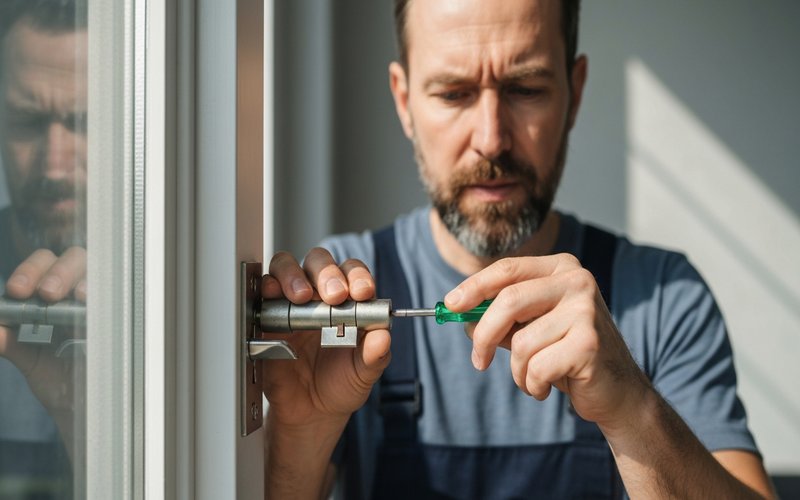
Spring Locksmith Maintenance Checklist
Spring is the perfect time to assess any damage from winter and prepare your locks for the warmer months ahead. Start by conducting a thorough inspection of all exterior locks, including doors, gates, garage entries, and shed locks. Look for signs of rust, corrosion, or weather damage that may have occurred during the harsh winter months.
Clean all lock cylinders using compressed air to remove debris that has accumulated over winter. Avoid using water-based cleaners, as moisture can cause more problems than it solves. Instead, use a dry lubricant specifically designed for locks, such as graphite powder or a Teflon-based spray lubricant. Apply lubricant sparingly—a little goes a long way, and excess lubricant can actually attract dirt and grime.
Check all door alignments, as settling and freeze-thaw cycles can cause doors to shift in their frames. If you notice that your key is harder to turn or the deadbolt doesn't slide smoothly, the door may have shifted. This is particularly common in Paramus homes due to our clay-heavy soil that expands and contracts with moisture levels. Adjust strike plates if necessary, or call a professional locksmith if the door needs significant realignment.
Inspect weatherstripping around doors and windows. While this isn't strictly a lock issue, damaged weatherstripping can allow moisture to reach lock mechanisms, leading to rust and corrosion. Replace any worn or damaged weatherstripping to protect your locks and improve energy efficiency.
Test all keys in their respective locks. If any keys are showing signs of wear—becoming bent, worn down, or difficult to insert—have copies made before they fail completely. Never wait until a key breaks off in a lock to address this issue.
Summer Security System Preparation
Summer in Paramus brings humidity, which can be particularly problematic for locks and security hardware. Moisture in the air can lead to rust, corrosion, and sticky mechanisms that make locks difficult to operate. Begin your summer maintenance by checking all exterior locks for signs of moisture damage or rust spots.
Apply a protective coating to exterior locks and hardware. While you shouldn't use oil-based lubricants inside lock cylinders, you can apply a light coating of silicone spray to the exterior metal surfaces to create a moisture barrier. Pay special attention to locks that are directly exposed to rain or sprinkler systems.
Summer is also an excellent time to upgrade your security if needed. With longer days and many families taking vacations, ensuring your home security is robust becomes even more important. Consider upgrading to high-security locks or smart lock systems that allow you to monitor and control access remotely while you're away.
Check sliding door locks and window locks throughout your home. These often get overlooked during maintenance but are common entry points for intruders. Ensure all sliding mechanisms move smoothly and that locks engage fully. Clean tracks and apply appropriate lubricants to keep them functioning correctly.
If you have a home security system, test all sensors and entry points. Verify that magnetic contacts on doors and windows are aligned correctly and functioning. Summer storms can sometimes knock these out of alignment, creating false alarms or, worse, failing to detect actual intrusions.
Create and update your vacation security checklist. Before leaving for summer trips, test all locks, set timers for lights, arrange for mail and package collection, and inform trusted neighbors of your absence. A professional locksmith can help you develop a comprehensive security plan for when you're away.
Fall Lock Care and Winter Preparation
Fall maintenance focuses on preparing your locks for the challenging winter months ahead. Start by conducting a comprehensive inspection of all locks, paying particular attention to those exposed to the elements. Look for any signs of wear, damage, or vulnerability that could become major problems when temperatures drop.
Clean and lubricate all locks thoroughly before winter arrives. Remove any accumulated dirt, debris, or old lubricant that has collected dust. Use graphite powder or a dry Teflon-based lubricant to ensure smooth operation. This is especially important for exterior locks that will face freezing temperatures.
Check all door and window seals to prevent cold drafts and moisture intrusion. Cold air infiltration can cause condensation inside lock mechanisms, leading to freezing and corrosion. Ensure that doors close tightly and that thresholds create proper seals.
Test your garage door locks and automatic opener systems. Fall is the perfect time to address any issues before you need to rely on your garage for vehicle storage during winter storms. Lubricate all moving parts on garage doors and ensure that emergency release mechanisms function correctly.
Consider installing storm doors if you haven't already. Storm doors provide an additional layer of security and protect your primary door locks from direct exposure to harsh weather. They also improve energy efficiency, which is an added benefit during cold Paramus winters.
Review your key management system. Make sure all family members have working keys and that you have spare keys stored in secure, accessible locations. However, never hide spare keys in obvious outdoor locations like under doormats or in fake rocks—these are the first places intruders check.
Winter Lock Protection Strategies
Winter presents the most significant challenges for locks in Paramus. Freezing temperatures, ice, snow, and salt can all damage locks and make them difficult or impossible to operate. Prevention is key to avoiding winter lock problems.
The most common winter lock issue is freezing. When moisture enters a lock cylinder and freezes, it can make the lock impossible to open. Prevent this by ensuring all locks are properly lubricated with a dry lubricant before winter begins. Never use WD-40 or oil-based products in locks, as these can collect moisture and worsen freezing problems.
If you do encounter a frozen lock, never force the key or pour hot water directly on the lock, as this can cause damage or create more ice. Instead, warm your key with a lighter or matches before inserting it gently into the lock. You can also use a lock de-icer spray, which is available at most hardware stores. For severe freezing, call a professional locksmith rather than risk damaging the lock.
Protect exterior locks from direct exposure to snow and ice whenever possible. If you have a covered porch, park vehicles under cover, or can install small awnings above door locks, you'll significantly reduce weather-related problems. For locks that can't be protected, check them regularly and clear away any ice or snow buildup.
Salt and de-icing chemicals can corrode lock hardware over time. If you use these products near entryways, wipe down locks periodically with a dry cloth to remove any residue. Consider using sand or pet-safe ice melt alternatives that are less corrosive.
Maintain clear pathways to all entrances. Snow and ice buildup can make it difficult to access locks safely and can cause slips and falls while you're trying to unlock your door. Keep entryways well-lit and clear of obstacles.
Check battery-powered locks and security systems more frequently in winter. Cold temperatures can drain batteries faster than normal. Replace batteries in smart locks, keyless entry systems, and security devices before they fail to ensure continuous protection.
Year-Round Lock Maintenance Best Practices
Beyond seasonal tasks, certain maintenance practices should be performed regularly throughout the year to keep your locks functioning optimally. Establish a routine that includes monthly visual inspections of all locks and security hardware. Look for loose screws, signs of tampering, or unusual wear patterns that might indicate a problem.
Keep keys clean and in good condition. Dirty or damaged keys can damage lock pins and tumblers over time. Wipe keys periodically with a dry cloth and inspect them for wear. If you notice that a key is becoming difficult to insert or turn, have it replaced before it breaks.
Avoid using excessive force when operating locks. If a key is hard to turn or a deadbolt is difficult to engage, there's an underlying problem that needs addressing. Forcing locks can cause internal damage that leads to costly repairs or complete lock replacement.
Lubricate locks appropriately and sparingly. While lubrication is essential, using too much or the wrong type can cause problems. Apply lubricant only once or twice per year using graphite powder or a dry Teflon spray. Never use oil-based products, as they attract dirt and can gum up lock mechanisms.
Keep lock hardware tight and properly aligned. Periodically check that screws securing locks, strike plates, and door hardware are tight. Loose hardware can cause locks to misalign, making them difficult to operate and compromising security.
Document your locks and keys. Maintain a record of all locks in your home, including when they were installed, their make and model, and key codes if available. This information is invaluable if you need to have keys duplicated or locks replaced, and it can speed up service if you need to call a locksmith in an emergency.
Professional Locksmith Services and When to Call
While many lock maintenance tasks are suitable for homeowners to perform themselves, certain situations require professional expertise. Understanding when to call a professional locksmith can save you time, prevent damage, and ensure your home's security isn't compromised.
Call a professional locksmith immediately if you notice signs of attempted break-ins, such as scratches around the lock cylinder, bent keys, or damage to the door frame. A locksmith can assess the damage, recommend security upgrades, and ensure your locks haven't been compromised.
If you're experiencing persistent lock problems despite regular maintenance—such as keys that are increasingly difficult to turn, deadbolts that stick, or locks that don't engage properly—professional service is warranted. These issues often indicate internal wear or damage that requires expert diagnosis and repair.
When moving into a new home in Paramus, always have the locks rekeyed or replaced by a professional locksmith. You never know how many keys are in circulation from previous owners, contractors, or service providers. Rekeying is an affordable way to ensure you're the only one with access to your home.
Consider professional locksmith services for security upgrades and assessments. A qualified locksmith can evaluate your home's security, identify vulnerabilities, and recommend improvements based on your specific needs and budget. This is particularly valuable if you live in an older home that may have outdated security features.
Professional locksmiths have specialized tools and expertise to handle complex problems without damaging your locks or doors. If you've broken a key off in a lock, are locked out of your home, or have a malfunctioning high-security or smart lock system, attempting DIY repairs often makes the problem worse and more expensive to fix.
Smart Lock and Modern Security Considerations
As more Paramus homeowners adopt smart home technology, maintaining electronic and smart lock systems requires additional considerations beyond traditional lock care. Smart locks combine mechanical components with electronic systems, each requiring specific maintenance approaches.
Regularly update firmware on smart locks and security systems. Manufacturers frequently release updates that improve security and functionality. Check for updates monthly or enable automatic updates if available. Outdated firmware can have security vulnerabilities that put your home at risk.
Test backup access methods periodically. Most smart locks include backup key access or emergency power options. Ensure you know how to use these features and test them regularly to confirm they work when needed. Store backup keys securely and keep spare batteries on hand for battery-powered systems.
Clean electronic components carefully. While traditional locks can tolerate more aggressive cleaning, smart locks contain sensitive electronics. Use only manufacturer-recommended cleaning methods and products. Generally, a soft, slightly damp cloth is sufficient for cleaning the exterior, and compressed air can remove debris from mechanical components.
Monitor battery levels and replace them proactively. Don't wait for low-battery warnings—replace batteries on a schedule, typically every six to twelve months depending on usage. Keep records of when batteries were last changed to anticipate when replacement will be needed.
Check connectivity regularly if your smart locks connect to Wi-Fi or a hub. Ensure signal strength is adequate and that the lock communicates reliably with your smartphone or home automation system. Poor connectivity can leave you unable to lock or unlock your door remotely when you need it most.
Emergency Prevention and Preparedness
The best way to handle lock emergencies is to prevent them from occurring in the first place. Create a comprehensive key management strategy that includes having spare keys stored in secure locations, such as with trusted neighbors or family members. Consider a lockbox in a discreet location rather than hiding keys in obvious spots.
Develop relationships with reliable service providers before you need them. Research and identify a trustworthy local locksmith in Paramus before an emergency occurs. Having contact information readily available can save valuable time and stress during a lockout or security emergency.
Create a home security checklist that you review seasonally. Include items like testing all locks, checking batteries in electronic systems, verifying that spare keys work, and ensuring all family members know emergency procedures. Regular reviews help catch small problems before they become emergencies.
Consider your specific vulnerabilities. Do you have elderly family members who might struggle with stiff locks? Do children need access when you're not home? Are you frequently carrying packages or groceries that make fumbling with keys frustrating? Addressing these specific needs through appropriate lock selection and placement can prevent many common problems.
Invest in quality locks and hardware. While it may be tempting to choose the least expensive options, quality locks last longer, function more reliably, and provide better security. Consider this a long-term investment in your home's security and your peace of mind.
Securing Your Peace of Mind Throughout the Seasons
Maintaining your locks and security systems through Paramus's changing seasons doesn't have to be complicated or time-consuming. By implementing these seasonal maintenance routines and year-round best practices, you'll extend the life of your locks, prevent most common problems, and ensure your home remains secure regardless of weather conditions.
Remember that locks are your first line of defense against intruders and your primary means of controlling access to your home. Treating them with the care and attention they deserve pays dividends in security, convenience, and cost savings. A few minutes of preventive maintenance each season is far preferable to dealing with a frozen lock on a winter morning, a broken key on a busy workday, or compromised security when you need it most.
While many maintenance tasks are suitable for homeowners, never hesitate to call a professional when you encounter problems beyond your expertise or comfort level. Professional locksmiths have the tools, knowledge, and experience to address issues quickly and correctly, often preventing more serious problems and expensive repairs down the line.
At Paramus NJ Locksmith, we're committed to helping our neighbors maintain secure, functional locks throughout the year. Whether you need seasonal maintenance, emergency lockout service, security upgrades, or expert advice, our skilled technicians are ready to help. We understand the unique challenges that Paramus weather presents and have the expertise to keep your locks functioning perfectly in all conditions.
Don't wait until you're facing a lock emergency to think about lock maintenance. Take a proactive approach to your home's security, starting with a comprehensive assessment of your current locks and security systems. If you have questions about lock maintenance, need professional service, or want to discuss security upgrades for your Paramus home, contact our team today. We're here to ensure your locks provide reliable security and smooth operation through every season.
For expert locksmith services and seasonal maintenance support, call Paramus NJ